


Executive summary
North Carolina has introduced new regulations for vape shops, but advocates argue that more needs to be done to protect minors from access to vaping products.
What happened
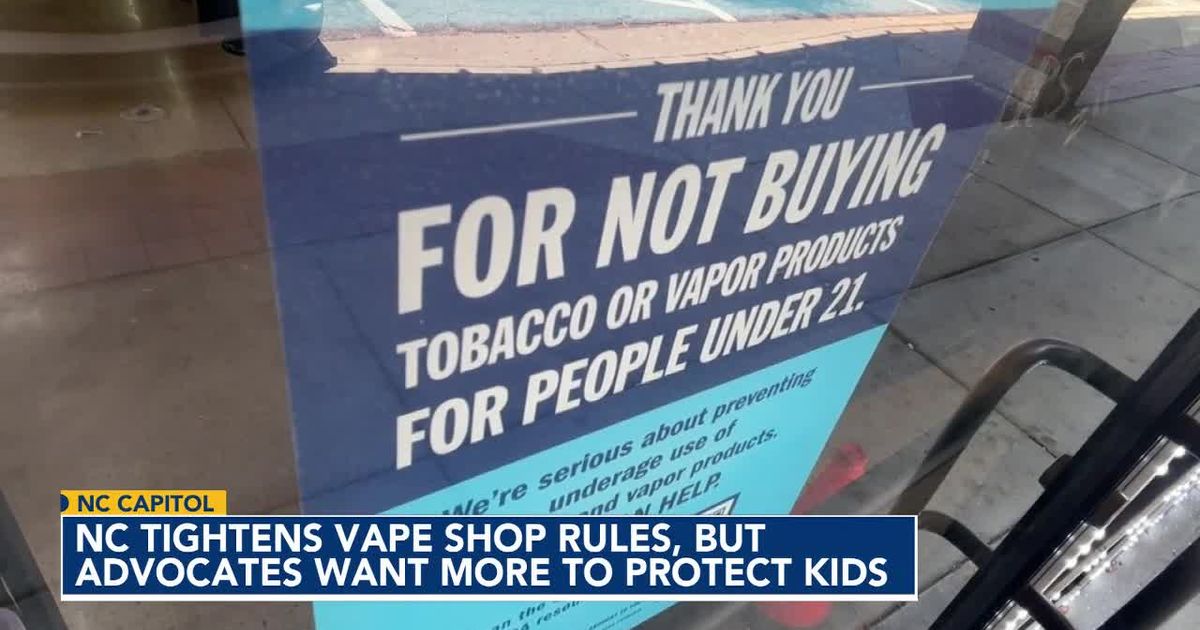
The new regulations in North Carolina include requirements for vape shops to implement age verification systems, limit the placement of vaping products, and enhance signage warning about the dangers of vaping. These measures are designed to make it more difficult for minors to access vaping products and to educate consumers about the potential risks associated with vaping.
However, advocates for stricter regulations argue that the new rules do not go far enough. They point to the need for additional measures, such as flavored vape bans and stricter enforcement of existing laws, to effectively protect minors from the harms of vaping. The debate highlights the ongoing tension between industry interests and public health concerns in the regulation of vaping products.
Why it matters
The tightening of vape shop regulations in North Carolina reflects a broader national trend towards stricter oversight of the vaping industry. With the rise in youth vaping, states are increasingly looking to implement measures that limit access and appeal of vaping products to minors. The new regulations in North Carolina are part of this broader effort and could serve as a model for other states grappling with similar issues.
Market impact
For retailers and distributors, the story points to a market where platform access, licensing, enforcement risk, and local operating costs are becoming as important as consumer demand. Compliant operators may gain credibility, but they also face higher administrative and margin pressure.
Regulatory impact
Regulators are continuing to focus on youth access, product authorization, enforcement, taxation, and public-health framing. The practical risk for industry participants is that policy changes can affect both legal access and commercial viability before the market has time to adjust.
| Area | Dawsen read |
|---|---|
| Primary issue | Enforcement pressure |
| Affected market | Retailers, importers, distributors, and compliance teams |
| Operator signal | Authorities are using seizures, penalties, and investigations to shape market behavior. |
Who is affected
The main groups affected are manufacturers, retailers, regulators and compliance teams. Consumers may also feel the impact indirectly through product availability, pricing, retail access, and the credibility of legal alternatives.
Dawsen Take
Dawsen Take: public-health evidence will continue to shape whether nicotine alternatives are treated as harm-reduction tools, youth-risk products, or both. The industry needs stronger evidence, cautious claims, and transparent communication.
What to watch
As North Carolina implements its new vape shop regulations, stakeholders will be watching closely to see how effective these measures are in reducing youth vaping. The impact on the vaping market, including potential changes in consumer behavior and industry dynamics, will also be important to monitor.
Additionally, the ongoing debate over the adequacy of the new regulations suggests that further policy developments are likely. Stakeholders should pay attention to any proposed amendments to the regulations and the potential for additional measures, such as flavored vape bans, to be introduced in the future.
Finally, the broader implications of North Carolina's actions for vaping policies in other states and at the federal level will be a key area to watch. As more states grapple with the challenges of regulating vaping, the experiences and outcomes in North Carolina could provide valuable insights and lessons for policymakers elsewhere.
For more daily vaping news, check out dawsenai.com.
Original source: NC tightens vape shop rules, but advocates want more to protect kids
For more daily vaping news, check out dawsenai.com.
Written by
Comments