


Executive summary
The House-passed defense legislation includes a provision to test vapes, nicotine pouches, and heated tobacco for military smokers, highlighting broader implications for regulation and market dynamics.
What happened
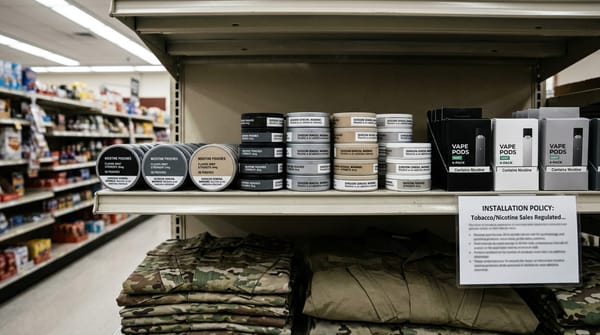
The House of Representatives has passed a defense bill that includes a provision to test alternative nicotine products, such as vapes, nicotine pouches, and heated tobacco, for military service members who smoke. This pilot program aims to explore the potential benefits and risks of these products as harm-reduction tools within the military community.
The inclusion of this provision in the defense bill underscores the growing recognition of alternative nicotine products as a potential harm-reduction strategy. The military, with its unique health and operational challenges, provides a controlled environment to assess the efficacy and safety of these products. The outcomes of this pilot program could influence broader policy decisions and market dynamics in the nicotine industry.
The House-passed defense legislation authorizes the Department of Defense to conduct a pilot program offering vapes, nicotine pouches, and heated tobacco to military smokers. The program aims to gather data on the health impacts and operational effects of these products. This initiative reflects a shift in perspective towards harm reduction, particularly in high-stress environments like the military.
Why it matters
The House-passed defense legislation includes a provision to test vapes, nicotine pouches, and heated tobacco for military smokers, highlighting broader implications for regulation and market dynamics.
Market impact
For manufacturers and brands, the development reinforces the need to connect product strategy with regulatory readiness, category positioning, and credible evidence. Product differentiation matters, but market access increasingly depends on documentation, channel discipline, and trust.
Regulatory impact
Regulators are continuing to focus on youth access, product authorization, enforcement, taxation, and public-health framing. The practical risk for industry participants is that policy changes can affect both legal access and commercial viability before the market has time to adjust.
| Area | Dawsen read |
|---|---|
| Primary issue | Enforcement pressure |
| Affected market | Retailers, importers, distributors, and compliance teams |
| Operator signal | Authorities are using seizures, penalties, and investigations to shape market behavior. |
Who is affected
The main groups affected are manufacturers, retailers, distributors, importers, regulators, and compliance teams. Consumers may also feel the impact indirectly through product availability, pricing, retail access, and the credibility of legal alternatives.
Dawsen Take
Dawsen Take: the important signal is not just the individual headline but the direction of travel. Vape businesses are operating in a market where regulation, reputation, and distribution strategy now move together.
What to watch
Key points to watch include whether regulators publish clearer implementation details, whether industry groups respond with legal or policy challenges, whether retailers and manufacturers adjust channel strategy, and whether similar measures appear in other priority markets.
Original source: House Defense Bill Would Test Vapes and Nicotine Pouches for Military Smokers
For more daily vaping news, check out dawsenai.com.
Written by
Comments